
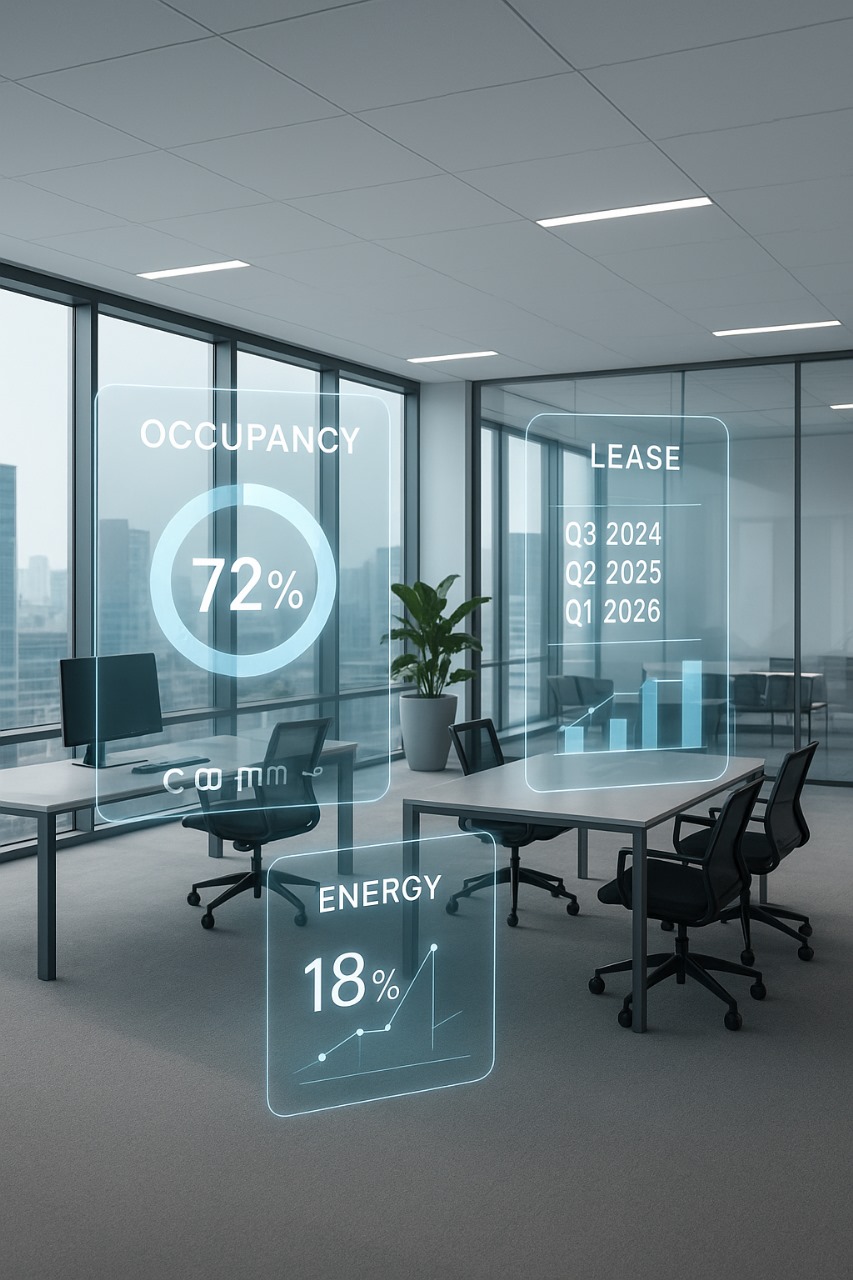
The corporate real estate (CRE) sector is entering a defining era of digital transformation. Once viewed as a static cost center, CRE has evolved into a dynamic engine of innovation, sustainability, and strategic agility. As hybrid work becomes the global norm, CRE leaders are harnessing PropTech—a fusion of property and technology—to redefine how spaces are designed, leased, and managed. Tools like AI-based lease management, IoT-enabled analytics, and AR/VR walkthroughs are reshaping the way enterprises operate at the edge of physical and digital environments.
The Evolution of CRE: From Cost Center to Strategic Asset
The rise of flexible work models and sustainability mandates has pushed organizations to rethink their real estate footprint. Modern enterprises now seek spaces that adapt dynamically to business needs while aligning with environmental, social, and governance (ESG) objectives. According to a recent study, smart building ecosystems integrating IoT sensors, AI analytics, and digital twins have led to measurable improvements in both energy efficiency and occupant well-being.
CRE is no longer limited to maintaining square footage—it’s about managing experience, data, and operational intelligence. Digital transformation at the building level allows organizations to unlock new efficiency layers through predictive insights, responsive infrastructure, and data-driven leasing.
Smart Leasing: Data-Driven Contracts for Dynamic Portfolios
One of the most transformative shifts in CRE is the adoption of AI-powered smart leases. Traditional long-term agreements are being replaced by platforms that analyze clauses, benchmark market rates, and recommend risk mitigation strategies in real time. Machine learning models can review hundreds of lease documents, identifying potential legal or financial risks before they escalate.
This new level of automation offers transparency and adaptability, allowing companies to scale their workspace footprint up or down with changing needs. Smart leasing systems also support flexible terms—an essential factor for enterprises navigating hybrid work and volatile markets.
AI and IoT in Space Utilization: Making Every Square Foot Smarter
The integration of IoT sensors and AI analytics is revolutionizing how companies measure and optimize their workspace utilization. Sensors embedded in desks, HVAC systems, and lighting fixtures provide real-time data on occupancy, air quality, and temperature. AI models interpret this data to optimize layouts, adjust energy usage, and ensure occupant comfort.
A recent publication found that smart occupancy systems using AI can reduce energy waste by up to 30% while improving space efficiency and employee satisfaction.
These insights enable CRE teams to make informed portfolio decisions—retaining only what’s necessary, enhancing comfort, and achieving sustainability targets simultaneously.
Immersive Technologies: AR/VR and Edge Computing for the Modern Campus
The rise of AR and VR technologies has changed how corporate spaces are visualized and experienced. Virtual tours and augmented design overlays enable faster decision-making, immersive collaboration, and reduced on-site visits. When combined with edge computing and digital twin infrastructure, these tools allow real-time monitoring of building performance—energy flow, temperature variations, and occupancy levels—all visualized through intuitive 3D interfaces.
Such technologies are particularly valuable for global enterprises managing large portfolios. They shorten leasing cycles, improve transparency with tenants, and reduce environmental impact by minimizing travel for inspections and fit outs.
The Road Ahead: Intelligent, Sustainable, and Adaptive Real Estate
Looking forward, CRE innovation will increasingly center around convergence—where AI, IoT, and digital twins operate as a unified ecosystem. Buildings will become intelligent, self-learning platforms capable of adapting to real-time conditions. Predictive maintenance, automated leasing, and AI-driven energy management will be commonplace, allowing enterprises to maximize value from every square meter of space.
As research in Sustainability (MDPI) emphasizes, this transformation marks a strategic redefinition of real estate: from static assets to responsive systems that balance efficiency, sustainability, and human experience.
In this future, CRE leaders are not just managing buildings—they are orchestrating data ecosystems that bridge people, performance, and place. The organizations that successfully merge PropTech with strategy will lead the next era of enterprise infrastructure: intelligent, adaptive, and purpose-driven at the edge.


